

You’ve probably seen numbers like “$15,000 per arch” and “$60,000 for a full mouth” thrown around online. Without context, those figures are almost meaningless. Today, All-on-4 dental implants generally range between $18,000 and $38,000 per arch, but what separates a $18,000 quote from a $38,000 one isn’t always quality. Sometimes it’s just what’s been left out of the fine print.
This article breaks down every cost layer, including the ones most practices don’t volunteer upfront, so you can walk into any consultation fully prepared.
Here’s what we’ll cover:
- What the average All-on-4 cost actually includes
- The hidden costs that inflate your final bill
- Every factor that drives the price up or down
- How insurance, HSA, FSA, and financing actually work
- A real 20-year cost comparison: All-on-4 vs. dentures vs. individual implants
Pricing at Sunny Dental of Wilton Manors is transparent from day one. Dr. George Georgiev and our team walk every patient through a detailed cost breakdown before any decisions are made. No pressure, no surprises.
What the Average Cost Includes
The answer to how much is all on 4 dental implants starts with understanding that the price you see advertised is rarely the full picture. A complete, all-inclusive package from a reputable implant dentist should cover every stage of treatment, from the first scan to your final prosthesis.
| Component | Typically Included? |
|---|---|
| Initial consultation | Confirm the consultation fee and whether it is included in your treatment estimate. |
| CBCT 3D imaging | Should be included |
| Teeth extractions | Included in most packages |
| Surgical placement of 4 dental implants | Yes |
| Sedation/local anesthesia | Included (mild sedation); general anesthesia often extra |
| Same-day temporary teeth | Should be included |
| Follow-up visits during healing period | Varies by dental practice |
| Final permanent prosthesis (acrylic) | Included in entry-level packages |
| Final permanent prosthesis (zirconia) | Usually an upgrade cost |
| Post-op prescribed pain medication | Not typically included |
National Averages at a Glance:
- Single arch: $18,000-$30,000
- Both arches (full mouth dental implants): $36,000-$60,000
- Zirconia upgrade per arch: $3,000-$8,000 additional
These figures apply to standard cases with healthy bone density, no active gum disease, and no need for preparatory oral surgery. If your case is more complex, expect the number to move.
At our Wilton Manors practice, we walk every patient through a fully itemized treatment plan before any commitment is made. If you’re comparing quotes, our contact page is the fastest way to get clarity on pricing for your specific case.
The Hidden Costs That Inflate Your Bill
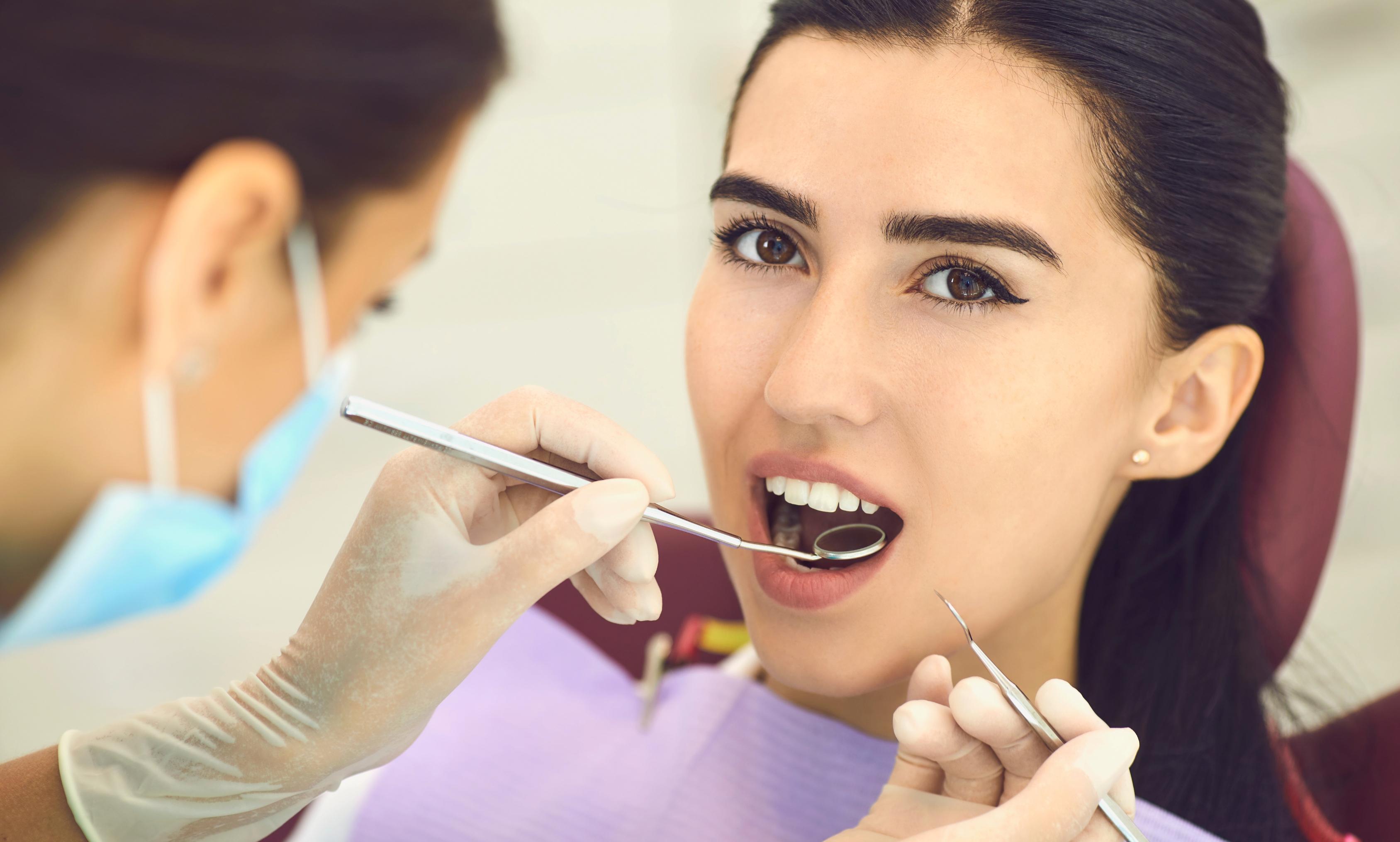
This is where most patients get blindsided. The dental implant industry has a well-documented habit of advertising a base price that covers only the surgical placement of the four implants, leaving out components that are essential to completing the procedure.
The Most Common Hidden Charges:
- General anesthesia billed separately: Many dental offices include only local anesthesia in the base quote. If you want IV sedation or general anesthesia, that’s typically a separate invoice from a third-party anesthesiologist, often $500-$2,000 extra.
- The final prosthesis isn’t included: Some practices quote only the implant placement surgery. The temporary teeth and the permanent bridge are billed as separate line items. This is how a patient walks in expecting to pay $20,000 and leaves with a $40,000+ bill.
- Bone grafting or sinus lift: If your jawbone has experienced significant bone loss, the implant surgery cannot proceed without first rebuilding the foundation. A sinus lift alone runs $1,500-$3,000 per side. Bone grafting is similarly priced. Neither is typically included in a base quote.
- Treatment for active gum disease: Gum disease must be fully resolved before implant placement. That means periodontal treatment, which is a separate cost entirely.
- Lab fees for outsourced prosthetics: Practices that outsource their prosthetic fabrication to an external lab pass those costs along. Practices with in-house milling, like our CEREC system at Sunny Dental, cut out that middleman entirely.
- Prosthetic replacement down the line: The titanium implants themselves are permanent with proper care. But the prosthetic bridge typically needs replacement every 10-15 years. Budget $3,000-$5,000 per arch when that time comes.
When requesting a quote, ask specifically: “Does this price include the final permanent prosthesis, all extractions, sedation, and follow-up visits?” If the answer is vague, get it in writing.
Every Factor That Drives the Price Up or Down
Understanding what moves the needle on dental implants cost gives you more control over your budget and helps you evaluate whether a quote reflects genuine value or a stripped-down package.
Factors That Increase Cost:
- Zirconia over acrylic prosthesis. Zirconia is denser, more stain-resistant, and longer-lasting. It also costs significantly more to fabricate.
- Bone loss requiring grafting or a sinus lift. Patients with significant bone loss from long-term tooth loss or poor oral hygiene need preparatory work before optimal implant placement is possible.
- General anesthesia. Patients with high dental anxiety or complex medical histories may require full general anesthesia rather than local anesthesia, which adds provider and facility fees.
- Full mouth teeth replacement (both arches). Treating both arches simultaneously doubles the surgical complexity but often comes with a package discount.
- Geographic location. High-cost-of-living metro areas carry higher overhead, which translates directly into higher procedure pricing.
- Provider specialization. An implant dentist with advanced residency training and accreditation typically charges more than a general dentist who offers implants as one of many services. That premium is almost always worth it.
Factors That Decrease Cost:
- Sufficient bone density requiring no grafting. Patients who present with healthy bone structure go straight to implant surgery without preparatory procedures.
- In-house lab work. Practices that mill prosthetics on-site using CEREC or similar CAD/CAM technology avoid outsourcing fees, passing savings to patients.
- Single arch treatment. Addressing one arch instead of two cuts the total cost roughly in half.
- Medical-grade titanium implants of the same quality brand across different regions can vary in procedure cost simply due to overhead and local market competition.
At our practice, Dr. George’s mini-residency in implant dentistry and Dawson Academy training in occlusion means you’re paying for genuine expertise, not just marketing. Our full mouth rehabilitation page covers broader reconstruction cases where All-on-4 is one component of a larger treatment plan.
How Insurance, HSA, FSA, and Financing Work

This is the part most patients find most useful, and most articles get it wrong by being too vague. Here’s the actual breakdown.
Dental Insurance Reality Check
Most dental insurance plans classify All-on-4 as a cosmetic procedure, which means the implant posts themselves aren’t covered. Full stop. However, several components of the treatment often qualify for partial reimbursement:
| Procedure | Typical Insurance Coverage |
|---|---|
| Consultation and X-rays | Often covered at 80-100% |
| CBCT/3D imaging | Partial, varies by plan |
| Teeth extractions | Often covered at 50-80% |
| Bone grafting (if medically necessary) | Partial, requires pre-authorization |
| Implant surgery (posts) | Rarely covered |
| Temporary teeth | Rarely covered |
| Final prosthesis | Partial on some plans |
Delta Dental and similar major providers may cover $1,000-$2,000 of implant-related costs annually, depending on your plan tier. That’s not nothing when you’re looking at a $25,000 procedure.
The smart move: Request a pre-authorization before treatment begins. Your dental practice submits your personalized treatment plan to the dental insurance company directly, and they respond with exactly what they’ll cover. This takes the guesswork out of it. Many dental insurance claim specialists at a good practice handle this on your behalf.
For most dental insurance questions, going directly to your plan’s benefits coordinator (not just the general helpline) gets you faster, more accurate answers.
Medical Insurance Possibilities
Medical insurance occasionally applies when tooth loss is the direct result of trauma, disease, or a documented medical condition. It’s worth submitting a dental implant claim regardless. Worst case, it’s denied. Best case, you recover a meaningful portion of costs.
HSA and FSA: Use Them
Both Health Savings Accounts (HSAs) and Flexible Spending Accounts (FSAs) can be applied to dental implant surgery. If you have either, use them before depleting out-of-pocket funds. HSA funds roll over year to year, making them ideal for planning large dental procedures across multiple calendar years.
Smart strategy: If your treatment spans two calendar years, you may be able to claim against two separate annual insurance maximums, doubling whatever partial coverage your plan provides.
Financing Options That Actually Work
Patient dental implant financing has matured significantly. The main options available today:
- CareCredit: Healthcare-specific credit card with 6-18 month interest-free promotional periods. Best for patients who can pay off the balance within the promotional window.
- Proceed Finance / LendingClub: Specialize in larger healthcare loans ($10,000-$70,000), with extended repayment terms and competitive rates. Better for full mouth implants where the total is higher.
- In-house payment plans: Some dental practices offer direct financing without third-party involvement. Terms vary widely, so read carefully.
- FSA/HSA: Pre-tax dollars applied directly, effectively reducing the real cost by your marginal tax rate.
We offer flexible financing options at Sunny Dental and work with our patients to structure payments in a way that doesn’t put their oral health on hold. Visit our insurance page for specifics on what we work with.
The Real 20-Year Cost Comparison

The most common objection to All-on-4 is the upfront cost. The most common regret from denture patients is not getting implants sooner. Here’s the math that puts both in perspective.
20-Year Cost Projection Per Arch
| Option | Upfront Cost | Replacement/Maintenance (20 yrs) | Estimated 20-Year Total |
|---|---|---|---|
| Traditional removable dentures | $1,000-$3,000 | $8,000-$15,000 (relines, replacements, adhesives) | $9,000-$18,000 |
| Implant supported dentures (overdentures) | $8,000-$15,000 | $4,000-$8,000 (attachment wear, maintenance) | $12,000-$23,000 |
| All-on-4 (acrylic prosthesis) | $15,000-$22,000 | $3,000-$5,000 (prosthetic replacement at year 10-15) | $18,000-$27,000 |
| All-on-4 (zirconia prosthesis) | $20,000-$30,000 | $1,500-$3,000 (maintenance only, longer lifespan) | $21,500-$33,000 |
| Individual implants per tooth | $30,000-$60,000+ | $2,000-$5,000 (maintenance) | $32,000-$65,000+ |
What the Numbers Don’t Show:
Traditional removable dentures look cheaper over 20 years. What the table can’t quantify is the jaw bone resorption that happens without implants, which progressively changes your facial structure and makes future implant treatment more complex and expensive. It also doesn’t capture the quality-of-life cost of restricted diet, slipping dentures, and the daily management burden that comes with removable solutions.
Implant-supported dentures bridge the gap for patients who want improved stability at a lower entry point than All-on-4. But for permanent teeth that function like natural teeth and require no removal, All-on-4 is consistently the strongest long-term value in full mouth teeth replacement.
For a broader look at what full arch restoration involves financially, our full mouth restoration cost guide breaks down additional scenarios, including single tooth replacement, bridgework, and complex reconstruction cases.
The bottom line: the gap between All-on-4 and traditional removable dentures narrows considerably over 20 years once you factor in replacement cycles, maintenance, and the compounding cost of bone loss left unaddressed.
Get Clear on Costs at Sunny Dental of Wilton Manors
All-on-4 is a significant investment, but an informed patient is a protected patient. Know what your quote includes, ask the right questions, and compare the full 20-year picture before deciding.
Key takeaways:
- A complete All-on-4 quote must include extractions, temporary teeth, sedation, and the final prosthesis
- Hidden costs like bone grafting, general anesthesia, and outsourced lab fees can add thousands overnight
- Zirconia prosthetics, full-mouth treatment, and geographic location are the biggest price drivers
- Most dental insurance plans won’t cover implant posts, but may cover extractions, imaging, and bone grafting
- HSA, FSA, and third-party financing make the investment manageable without compromising on care
- Over 20 years, All-on-4 and traditional dentures cost far closer than most patients expect
Transparent pricing is something we take seriously at Sunny Dental of Wilton Manors. Dr. George Georgiev provides a fully itemized treatment plan before anything is scheduled, so you know exactly what you’re paying for. Book a consultation and get real numbers for your specific case.
FAQs
How do people afford All-on-4 implants?
Most use financing, FSA, or HSA accounts. Many dental insurance companies partially cover extractions and imaging. A consultation helps build a comprehensive treatment plan with manageable monthly payments.
Can I get a dental implant if I smoke?
Yes, but smoking raises implant failure risk significantly. Quitting before and after the surgical procedure improves gum tissue healing and long-term success of your four dental implants.
Are All-on-4 dental implants worth it?
For missing multiple teeth, yes. Teeth in a day, permanent results, and preserved jaw bone make All-on-4 a stronger long-term investment than traditional implants or removable tooth replacement options.
What is the cheapest way to replace all your teeth?
Traditional dentures cost the least upfront but require frequent replacement. For missing teeth with lasting results, four dental implants via All-on-4 offer the best value over time in implant dentistry.
What is the difference between 3-on-6 and All-on-4?
All-on-4 uses four dental implants supporting one fixed arch. 3-on-6 uses six implants with three separate bridges, sitting closer to the gum tissue for a more natural feel.
How much is All-on-4 vs. All-on-6?
4 dental implants cost $15,000-$30,000 per arch. All-on-6 runs $20,000-$35,000 due to two additional implants. Book a consultation to get a personalized quote based on your dental implants procedure needs.


